

Fifteen Interior Design Secrets
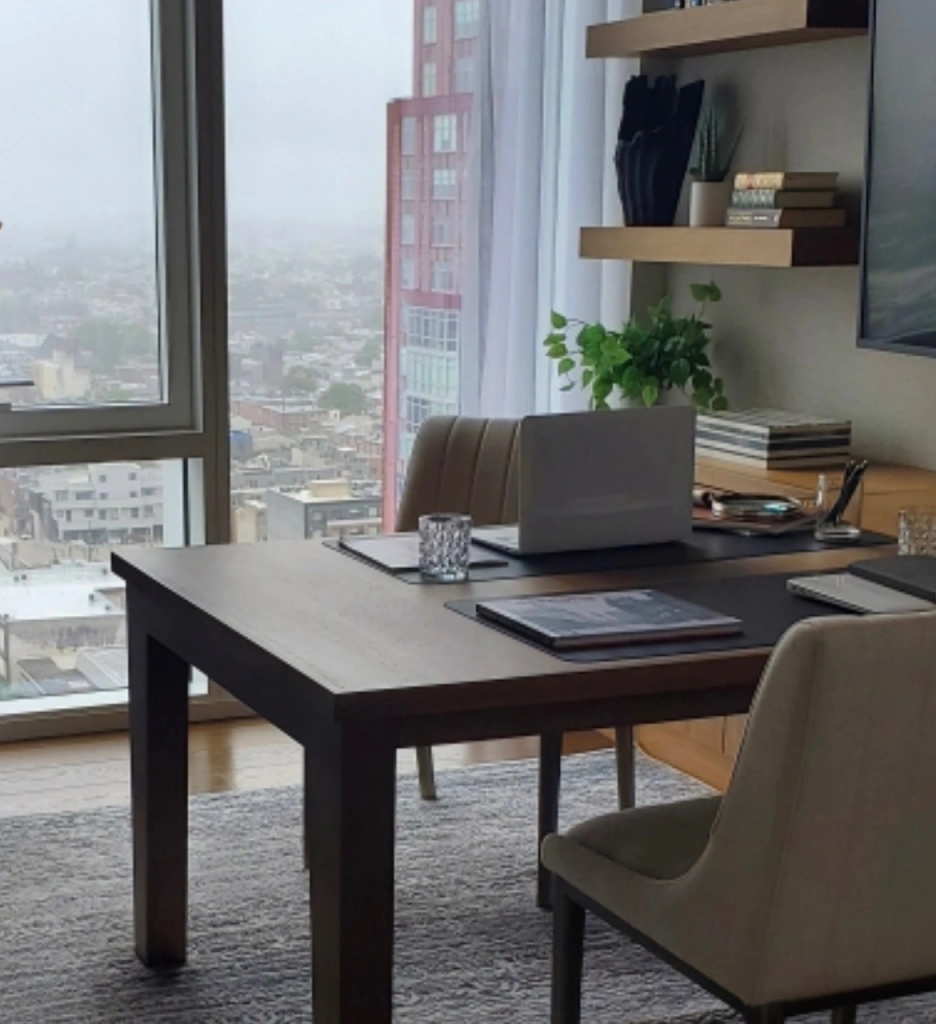
Interior designers often have a wealth of knowledge and tricks up their sleeves to transform spaces seamlessly. Here are some “hidden secrets” they use:
1. Layering for Depth and Warmth
We layer textures, materials, and colors to create depth. For instance:
- Combining soft rugs, sleek furniture, and textured walls can make a space feel dynamic.
- Mixing materials like wood, metal, and glass adds character.
2. Lighting is Everything
Lighting can make or break a design. Designers focus on three layers:
- Ambient Lighting: General illumination (e.g., chandeliers, recessed lights).
- Task Lighting: For specific functions (e.g., desk lamps, under-cabinet lights).
- Accent Lighting: Highlights focal points (e.g., artwork, architectural details).
3. Focal Points Anchor the Room
Every room needs a visual anchor:
- In a living room, it might be a fireplace or bold artwork.
- In a bedroom, the headboard often becomes the focal point. Designers ensure everything else complements this centerpiece.
4. Neutral Foundations Allow for Versatility
We often use neutral base colors for walls, large furniture, or flooring, allowing them to easily change the look with colorful accents like pillows, rugs, and art.
5. Mirrors for Space and Light
Strategically placed mirrors can:
- Make small rooms look bigger.
- Reflect natural light into darker areas.
- Enhance architectural features.
6. Scale and Proportion are Key
Furniture and decor must match the room’s size and scale. Designers avoid:
- Oversized furniture in small spaces.
- Undersized rugs or artwork that feel lost in large rooms.
7. Color Psychology Matters
Colors influence mood:
- Blue and green promote calmness.
- Red and orange add energy.
- Yellow evokes happiness. Designers choose colors based on the intended use of the space.
8. Mix High-End and Low-End Pieces
To stay within budget while achieving a luxe look, designers mix expensive statement pieces with affordable finds.
9. Functionality First
A beautiful design isn’t practical unless it meets the occupants’ needs. Designers focus on functionality:
- Adequate storage.
- Comfortable furniture.
- Efficient layouts.
10. Rugs Define Spaces
Rugs can be used to:
- Anchor a seating area.
- Add texture and warmth.
- Define open-concept spaces by delineating “zones.”
11. The Power of Plants
Greenery instantly enhances interiors. Designers use:
- Large plants to fill corners.
- Small potted plants for shelves and tables.
- Hanging plants for vertical interest.
12. Ceiling Treatments for Drama
Ceilings are often overlooked now but in old European buildings they designed ceilings into the overall look. We add interest with:
- Paint or wallpaper.
- Exposed beams or coffered designs.
- Unique light fixtures.
13. Customization Elevates Design
Custom pieces—like built-ins, furniture, or window treatments — make spaces feel personalized and high-end.
14. The “Rule of Three”
We often group decor items in odd numbers, threes, or fives for visual interest. For example:
- Three vases of varying heights.
- Three pillows with different patterns but cohesive colors.
15. Don’t Follow Every Trend
We focus on timeless designs with trendy accents that can be swapped out easily.
One Design Place is a full-service interior design firm specializing in transforming Houston homes and can help with upgrades for enjoyment or with a sale in mind. Cynthia Cannizzaro, owner of One Design Place, believes that “when a person has a home that is created with their lifestyle in mind, it truly makes a difference in their everyday life.”
One Design Place 713-446-7330