

Well-Being through Interior Design:
How Your Space Shapes Your Mood, Health, and Happiness
Your home isn’t just where you live—it’s where your mind and body recharge. The colors on your walls, the way the furniture flows, the textures you touch daily, and even the light that filters through your windows all have a profound effect on your well-being. Thoughtful interior design doesn’t just create beautiful rooms—it creates environments that support emotional balance, physical health, and overall happiness.
1. The Psychology of Space
Interior design has the power to influence mood, productivity, and relaxation.
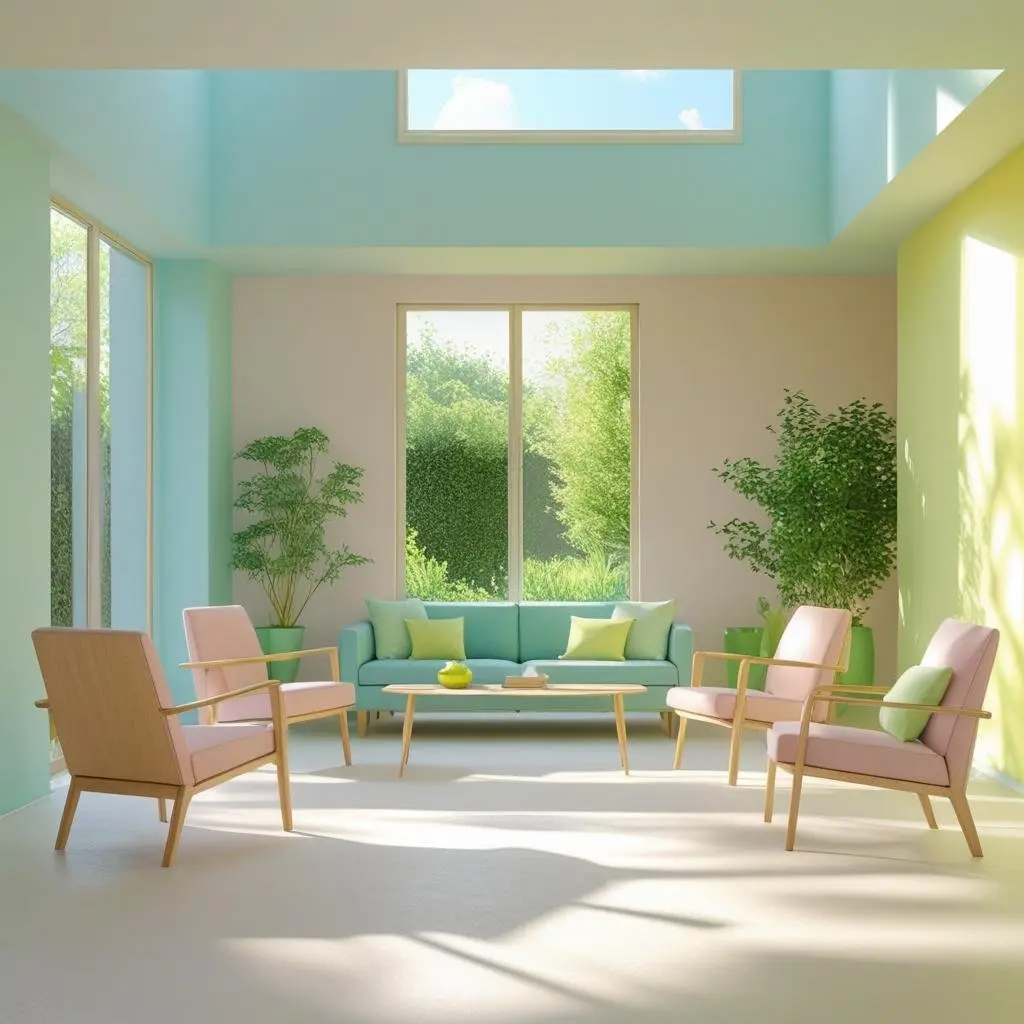
Calming colors like soft blues, greens, and neutrals can reduce stress.
Uplifting colors such as yellows or corals can spark energy and creativity.
Open layouts can foster connection, while cozy corners offer a sense of safety and retreat.
When spaces are designed with intention, they respond to our emotional needs, not just our functional ones.
2. Natural Light and Wellness
Sunlight is nature’s antidepressant. Exposure to natural light increases serotonin levels, improves sleep quality, and boosts energy.
Maximize daylight by using sheer window treatments or reflective surfaces.
Incorporate layered lighting—ambient, task, and accent lighting—to keep your circadian rhythm steady, even in the evening.
A home bathed in the right light feels alive and nurturing.
3. Bringing Nature Indoors
Biophilic design—integrating elements of nature—can lower blood pressure, improve focus, and reduce anxiety.
Add plants to purify the air and create a sense of calm.
Use natural materials like wood, stone, and linen to add warmth.
Consider nature-inspired patterns for textiles and wallpaper.
The more your home feels connected to the natural world, the more it supports mental well-being.

4. Decluttering for a Clear Mind
A cluttered home can make you feel mentally crowded, too.
Incorporate smart storage to keep surfaces open and organized.
Follow the “one in, one out” rule for decor and possessions.
Create decluttered zones for relaxing activities like reading or meditation.
Less visual noise allows your brain to rest and focus.
5. Designing for All the Senses
Well-being in design isn’t just about what you see—it’s also about what you touch, hear, and smell.
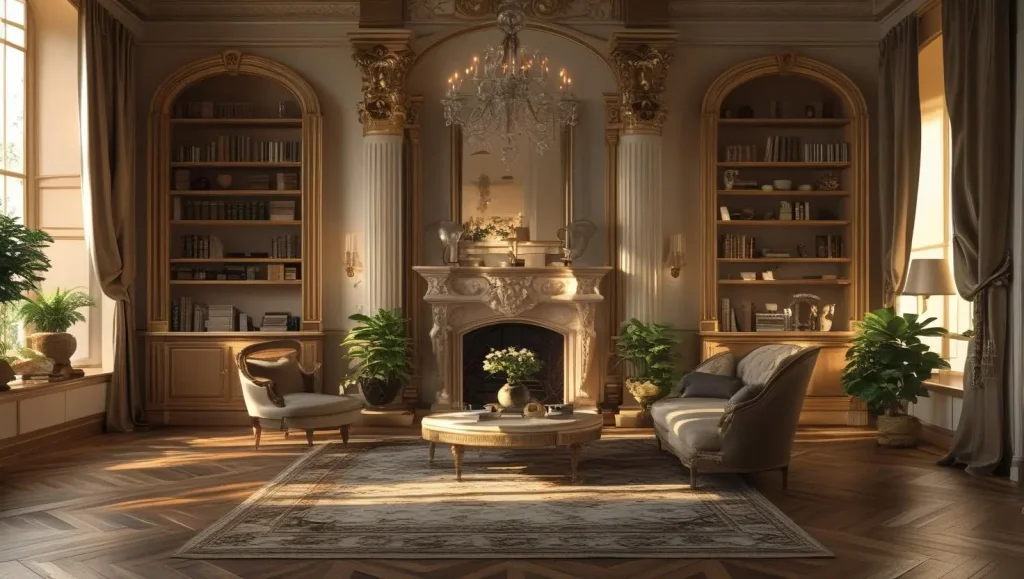
Textures like soft rugs, linen drapes, and smooth stone add tactile comfort.
Soundscapes like water features or soft music can soothe the nervous system.
Scents from candles, diffusers, or fresh herbs can boost mood and memory.
When all of your senses feel engaged in harmony, your home becomes a sanctuary.
6. Personalization and Joy
A well-being-focused home should tell your story. Surround yourself with items that bring joy and meaning:
Art that inspires you.
Family photos that spark happy memories.
Souvenirs that remind you of your favorite adventures.
The most restorative spaces are the ones that feel authentically yours.
Final Thought
Interior design for well-being is not about following trends—it’s about creating spaces that make you feel good, day after day. When your home supports your emotional balance, connects you to nature, and provides comfort for all your senses, it becomes more than a house—it becomes a partner in your health and happiness.
One Design Place can assist with any questions or help you create your environment, so your well-being and health and that of your family are supported.
Please call text or email today.
One Design Place is a full-service interior design firm specializing in transforming Houston homes and can help with upgrades for enjoyment or with a sale in mind. Cynthia Cannizzaro, owner of One Design Place, believes that “when a person has a home that is created with their lifestyle in mind, it truly makes a difference in their everyday life.
One Design Place 713-446-7330